
🏫 East and South-Eastern Asia lead youth literacy. Marine spatial planning is growing. E-waste is highest in AU and NZ.
Chart of the Day #542 Looks at youth literacy rate, marine spatial planning and e-waste generation.
Hello 👋
Indonesia to strengthen green energy transition. Rolls Royce to expand advanced manufacturing job opportunities in India. Nigeria to strengthen health skills. Aramco collaborates with Microsoft in enhancing digital and AI skills.
Rwanda partners with Oracle for digital skills training. Anthropic and CodePath have partnered to integrate Claude and Claude Code into CodePath’s coding curriculum and career programs. The Digital School partners with Canva to integrate AI-supported design tools into learning programs.
Today's Topics
🏫 K-12 Education. East and South-East Asia’s high rate of youth literacy
🍃 Green Skills. Europe and North America led marine spatial planning
🏭 Advanced Manufacturing. Global e-waste averaged nearly 8kg per capita
Thanks for reading!
Not a subscriber yet?
🏫 East and South-East Asia’s high rate of youth literacy
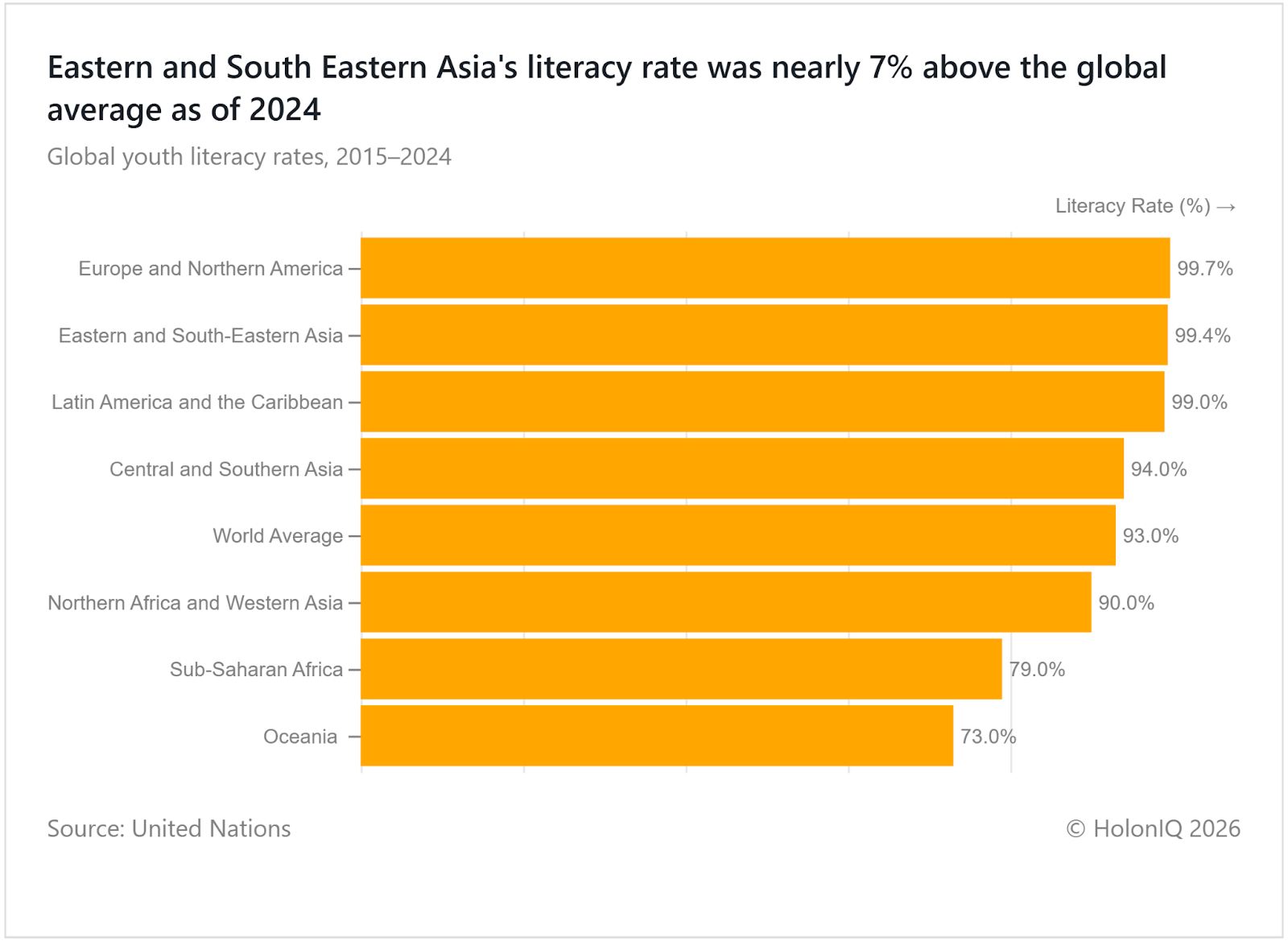
Youth literacy rates remain above nearly 7% the global average in Eastern and South-Eastern Asia, reflecting strong investments in basic education and government-led initiatives. Countries such as Sri Lanka offer free and compulsory primary and secondary education, which helps boost literacy rates, even in rural areas. High enrolment, structured curricula, and widespread teacher training contribute to this achievement. Expanding such programmes across South Asia aligns with the UN’s Education for All framework and helps ensure equitable access to learning opportunities.
🍃 Europe and North America led marine spatial planning
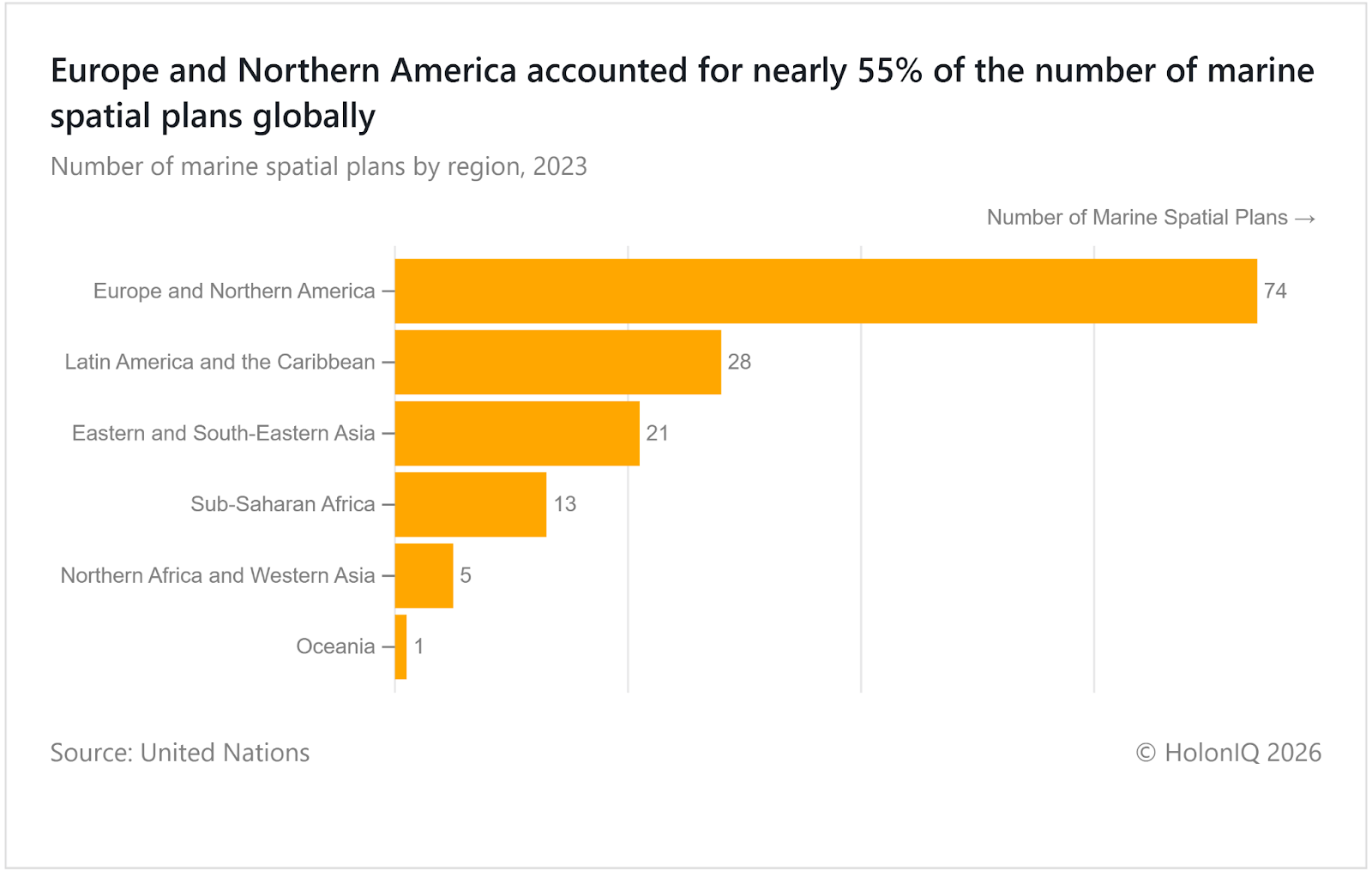
Europe and North America accounted for the highest number of marine spatial plans in 2023, guiding ocean use and management. Marine spatial planning guides how ocean areas are used for fishing, shipping, energy conservation and tourism to reduce conflict and protect ecosystems. This leadership reflects advanced research capacity and long term coastal management strategies. Effective marine planning supports biodiversity, protects fisheries and reduces pollution. The United Nations Sustainable Development Goal 14 promotes wider adoption of marine spatial planning to ensure sustainable use of marine resources.
🏭 Global e-waste averaged nearly 8kg per capita
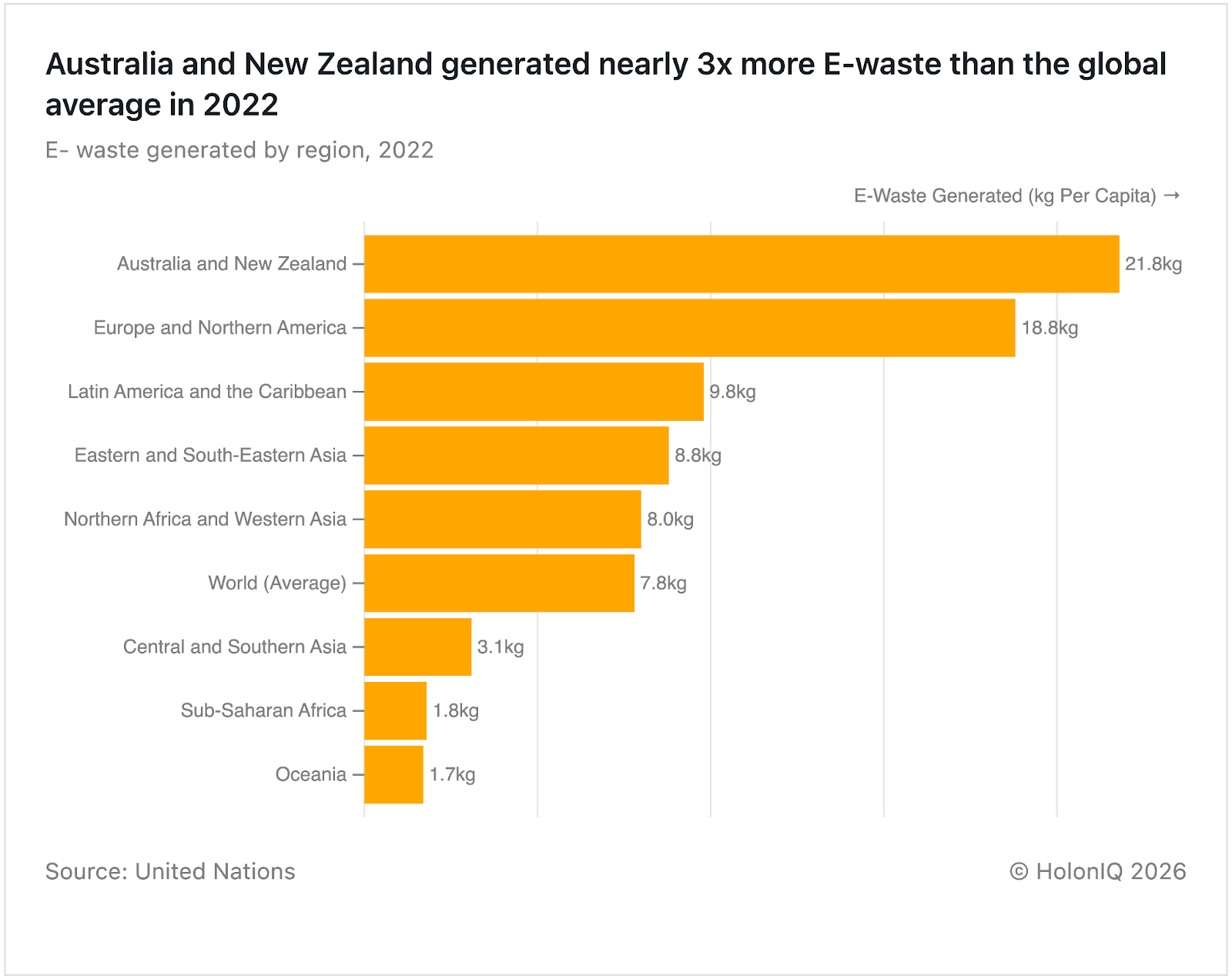
Australia and New Zealand generated the highest e-waste in 2022, above the global average of 7.8kg per capita. High consumption of electronics and rapid technology turnover contribute to this elevated level. Strong economies and urbanised populations drive frequent upgrades of computers, smartphones, and household electronics. Managing this e-waste is critical for environmental protection, and international initiatives such as the UN’s Sustainable Development Goal 12 promote responsible production, recycling, and disposal of electronic products.
Like getting this newsletter? Request a demo for unlimited access to over one million charts
Thank you for reading. Have a great week ahead!
Have some feedback or want to sponsor this newsletter? Let us know at qs.com.