
💼 Global Labour Participation Declines. Wind Tops Spain’s Energy Generation. China Leads Space Funding After the US.
Chart of the Day #489 Looks at Global Labour Force Participation Rate, Spain’s Installed Power Capacity, and Space Funding Apart From the US.
Nǐ hǎo 🏮
FedEx launches a global AI education and literacy program to upskill its workforce. New $30M injection into OSU to train more doctors, nurses and allied health professionals. AFDB offers support for Kenya's green energy workforce. Australia allocates A$171M to expand solar manufacturing capacity in the Hunter region.
UNICEF partners with Rönesans to transform youth vocational training in Turkey. McGraw Hill expands its generative-AI toolkit for K–12 classrooms. UNESCO launches literacy and vocational training project in Afghanistan.
Today's Topics
💼 Workforce. Global labour force participation rate in slight decline
🍃 Green Skills. Wind energy topped Spain’s installed power capacity
🏭 Advanced Manufacturing. China led in government space funding apart from the US
Thanks for reading!
Not a subscriber yet?
💼 Global Labour Force Participation Rate in Slight Decline
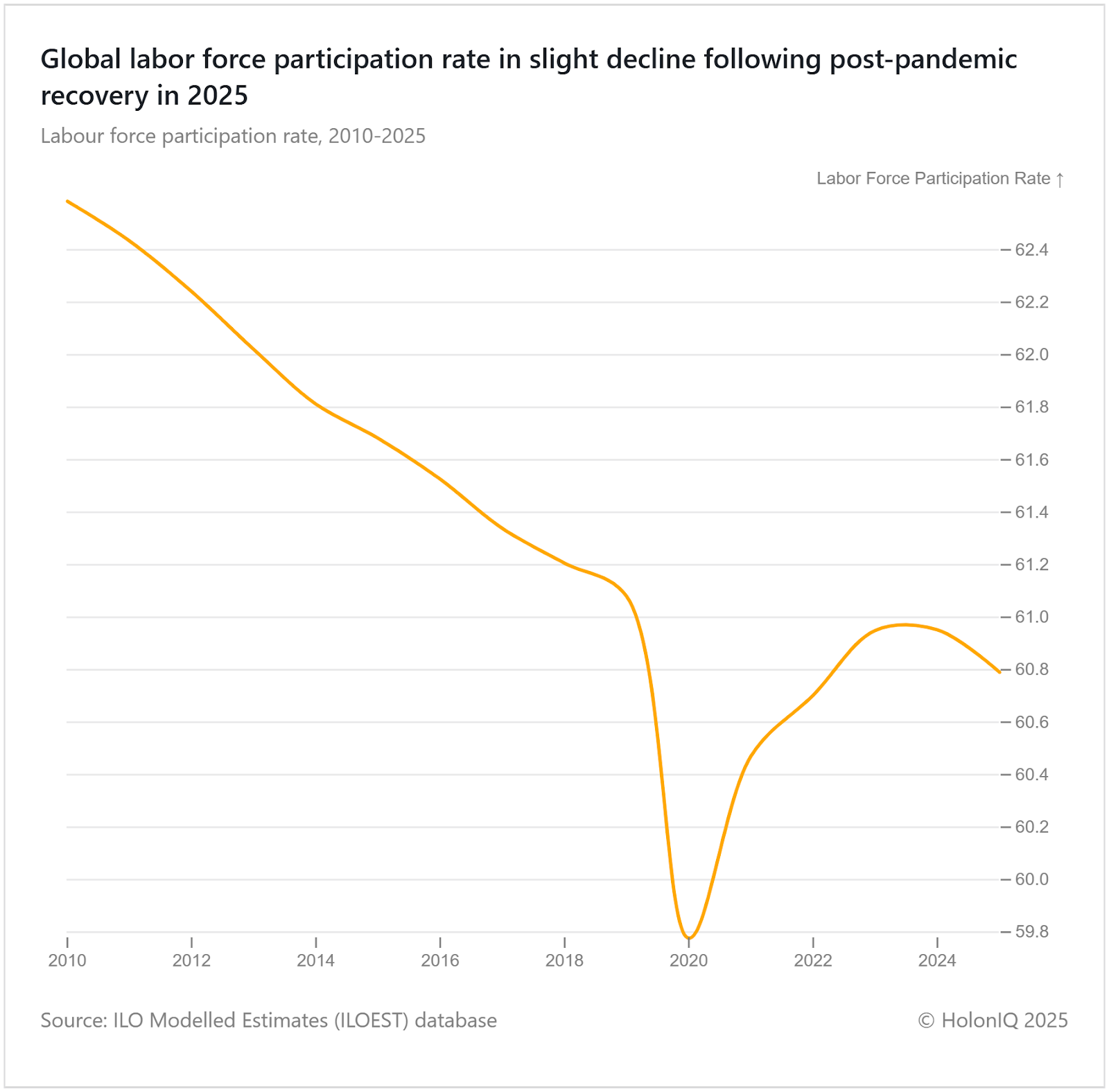
Labour force participation fell sharply to 59.8% in 2020 but recovered steadily through 2023 as workplaces reopened, childcare access improved, and hiring demand strengthened. By 2024, it stabilised at just under 61%, reflecting a near-complete post-pandemic rebound. The slight decline in 2025 is linked to ageing demographics, a rise in long-term illness, and shrinking immigration flows owing to tighter immigration laws being implemented in certain countries, all of which are reducing the number of available workers despite continued labour demand.
🍃 Wind Energy Topped Spain’s Installed Power Capacity
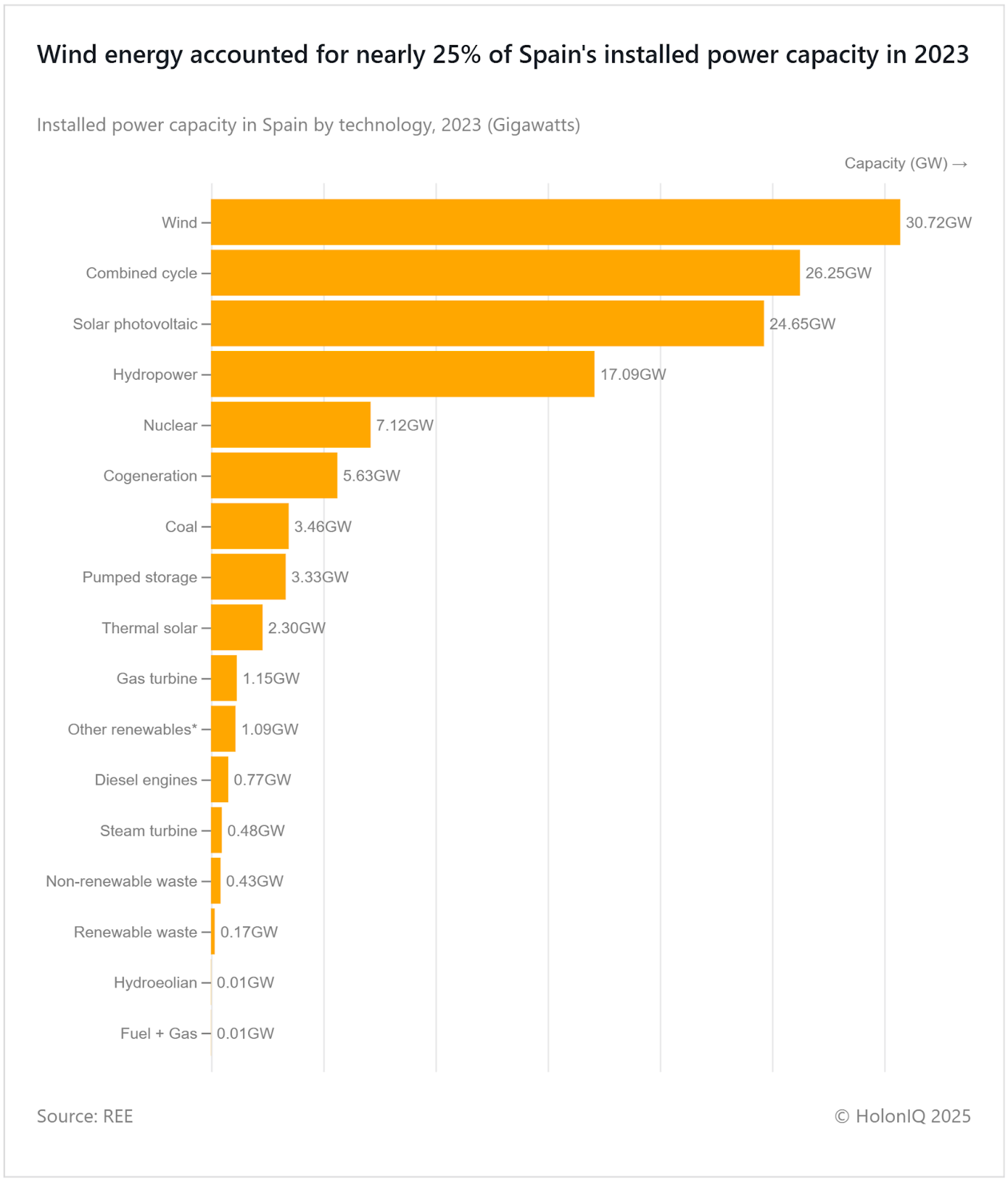
Wind power leads Spain’s energy mix with over 30 GW of installed capacity in 2023 as Spain sets to lead Europe in sustainable energy, reflecting rapid growth supported by competitive auctions, strong wind resources, and ambitious climate targets. The sector is advancing through projects like Canary Islands offshore wind pilots, the expansion of large-scale solar farms in Castilla la Mancha region, and new hydrogen corridors. Grid upgrades and storage investments aim to reduce fossil-fuel dependence and build a more resilient, sustainable national energy system.
🏭 China Led in Government Space Funding Apart From the US
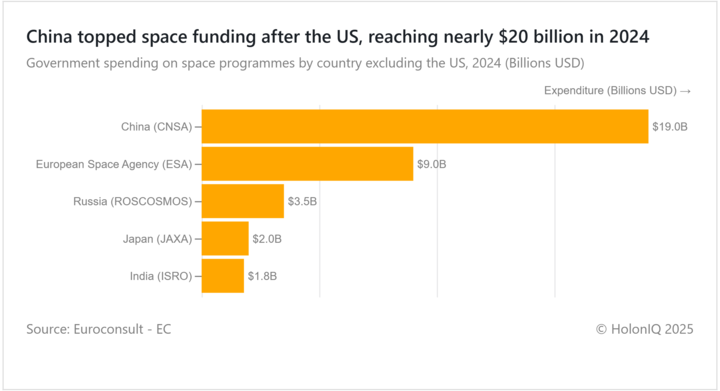
China leads global public space spending, reaching nearly $20B when compared to countries excluding the US, reflecting its push toward lunar exploration, satellite networks, and crewed missions. Key programmes include the Chang’e lunar missions, the Tiangong space station, and the expansion of its BeiDou navigation system. The European Space Agency followed with $9B, while Russia, Japan, and India maintain smaller but strategically focused budgets. India’s rising ISRO investment highlights ambitions in lunar science and commercial launches, while Japan continues expanding robotic exploration and space-tech innovation.
Like getting this newsletter? Request a demo for unlimited access to over one million charts
Thank you for reading. Have a great week ahead!
Have some feedback or want to sponsor this newsletter? Let us know at qs.com.