
⚕️ Safe drinking water access remains limited. Teacher gaps in pre-primary schools. Singapore and Seoul top AI cities.
Chart of the Day #573 looks at pupil-to-teacher ratio in pre-primary education, safe drinking water availability and leading AI cities around the world.
Hello 👋
Google launches 'AI Works for Britain' programme to support workforce upskilling across the UK. University of Kent is rolling out ChatGPT Edu to all staff and students, expanding AI access at scale. Morocco launches national training for virtual classroom integration.
Today's Topics
👶 Preschool. Sub-Saharan Africa lacks pre-primary teachers
⚕️ Health Skills. Limited access to safe drinking water in Africa
🤖 Artificial Intelligence. Singapore and Seoul emerge as leading AI cities in 2025
Thanks for reading!
Not a subscriber yet?
👶 Sub-Saharan Africa lacks pre-primary teachers
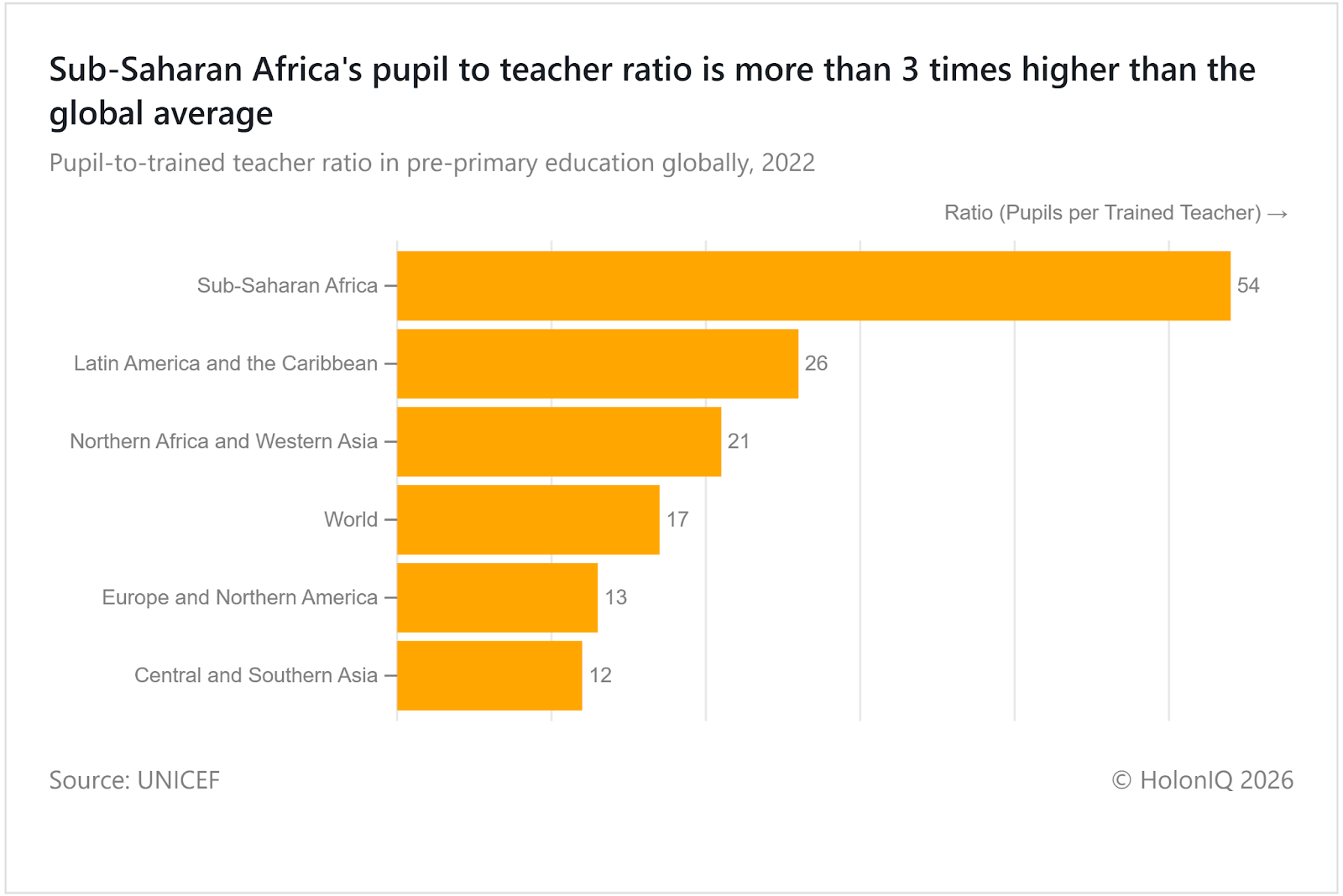
Sub-Saharan Africa faces a pupil-to-trained-teacher ratio nearly three times the global average. This reflects severe teacher shortages and limited access to early childhood training. Higher ratios indicate crowded classrooms, which can hinder learning outcomes and workforce preparation from a young age. Developed regions have better funding and teacher training, and maintain much lower ratios. The UNESCO Early Childhood Education Framework guides governments in improving teacher training and reducing class sizes.
⚕️ Limited access to safe drinking water in Africa
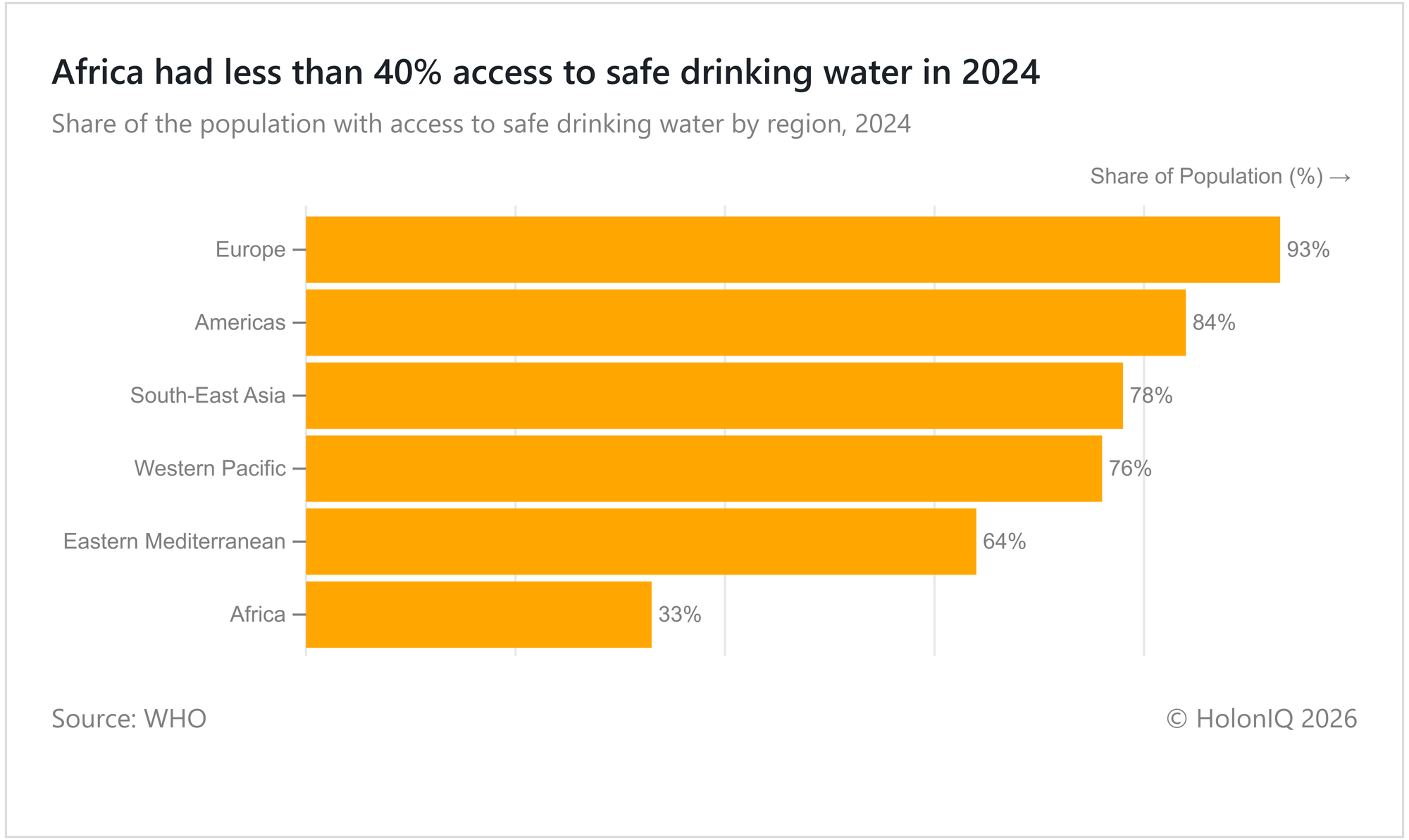
Access to safe drinking water in 2024 ranges from over 90% in Europe to less than 40% in Africa. This gap highlights deep regional inequalities in water infrastructure and service delivery. Safely managed access means water is available on premises, free from contamination and reliably supplied. In Africa, rapid urbanisation, underinvestment and cross-border river tensions affect supply security. The UN Sustainable Development Goal 6 framework, led by the United Nations, promotes universal safe water access by 2030.
🤖 Singapore and Seoul emerge as leading AI cities in 2025
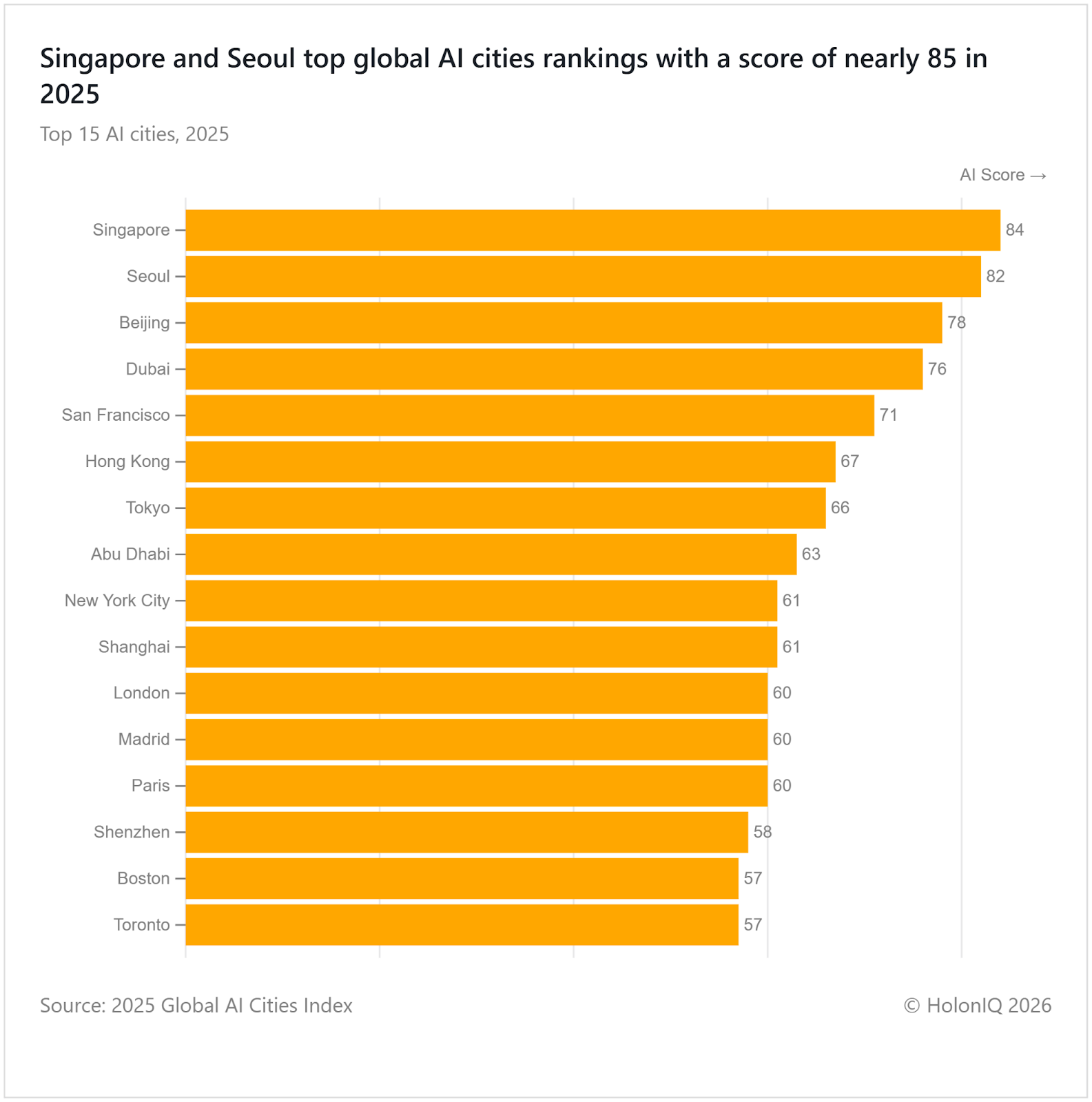
Singapore and Seoul led the AI cities rankings in 2025. The rankings show Asian cities leading global AI competitiveness through strong infrastructure and talent ecosystems. Cities invest heavily in digital skills and public sector AI adoption, strengthening workforce readiness. The National AI Strategy 2.0, implemented by the Government of Singapore, supports continued AI leadership.
Like getting this newsletter? Request a demo for unlimited access to over one million charts
Thank you for reading. Have a great week ahead!
Have some feedback or want to sponsor this newsletter? Let us know at qs.com.