
🎓 Singapore undergrad enrolments rise. Power sector leads GHG emissions. Global manufacturing growth rebounds.
Chart of the Day #540 Looks at Singaporean undergraduate enrolments, global greenhouse gas emissions and manufacturing value added growth rate.
Hello 👋
San Diego receives $750K in workforce grants. North Carolina to expand manufacturing apprenticeships. Fisher to expand nursing workforce training. Singapore to accelerate AI skills development.
Coursera and IndiaAI mission launch free national AI course. DepEd of Philippines partners with ASEAN education leaders to advance AI-driven digital learning and AI literacy in basic education. California announced over $22M for apprenticeship programs, strengthening its earn-and-learn leadership.
Today's Topics
🎓 Higher Education. Singaporean undergraduate enrolments increased by over 10K
🍃 Green Skills. Power generation topped global greenhouse gas emissions
🏭 Advanced Manufacturing. Global growth rate of manufacturing value added hindered by Covid-19
Thanks for reading!
Not a subscriber yet?
🎓 Singaporean undergraduate enrolments increased by over 10K
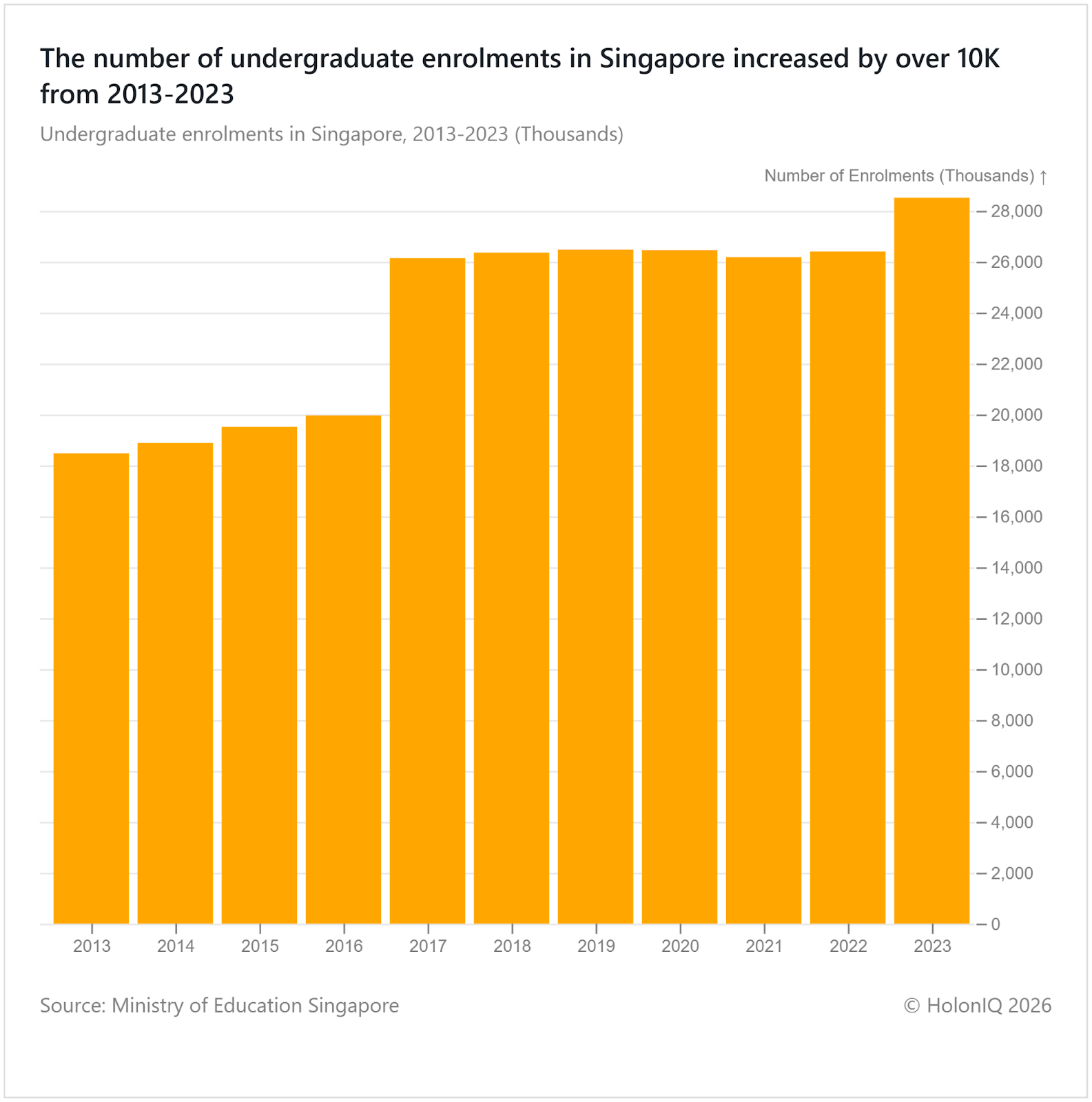
Undergraduate enrolments in Singapore rose by over 10,000 between 2013 and 2023, reflecting a sustained expansion of the country’s higher education system. The increase was driven by the growth of autonomous universities and the expansion of applied and industry focused degree programmes. Rising demand for digital, engineering, and business skills also encouraged more students to pursue local degrees. Government initiatives such as SkillsFuture and higher education capacity planning supported this steady growth.
🍃 Power generation topped global greenhouse gas emissions
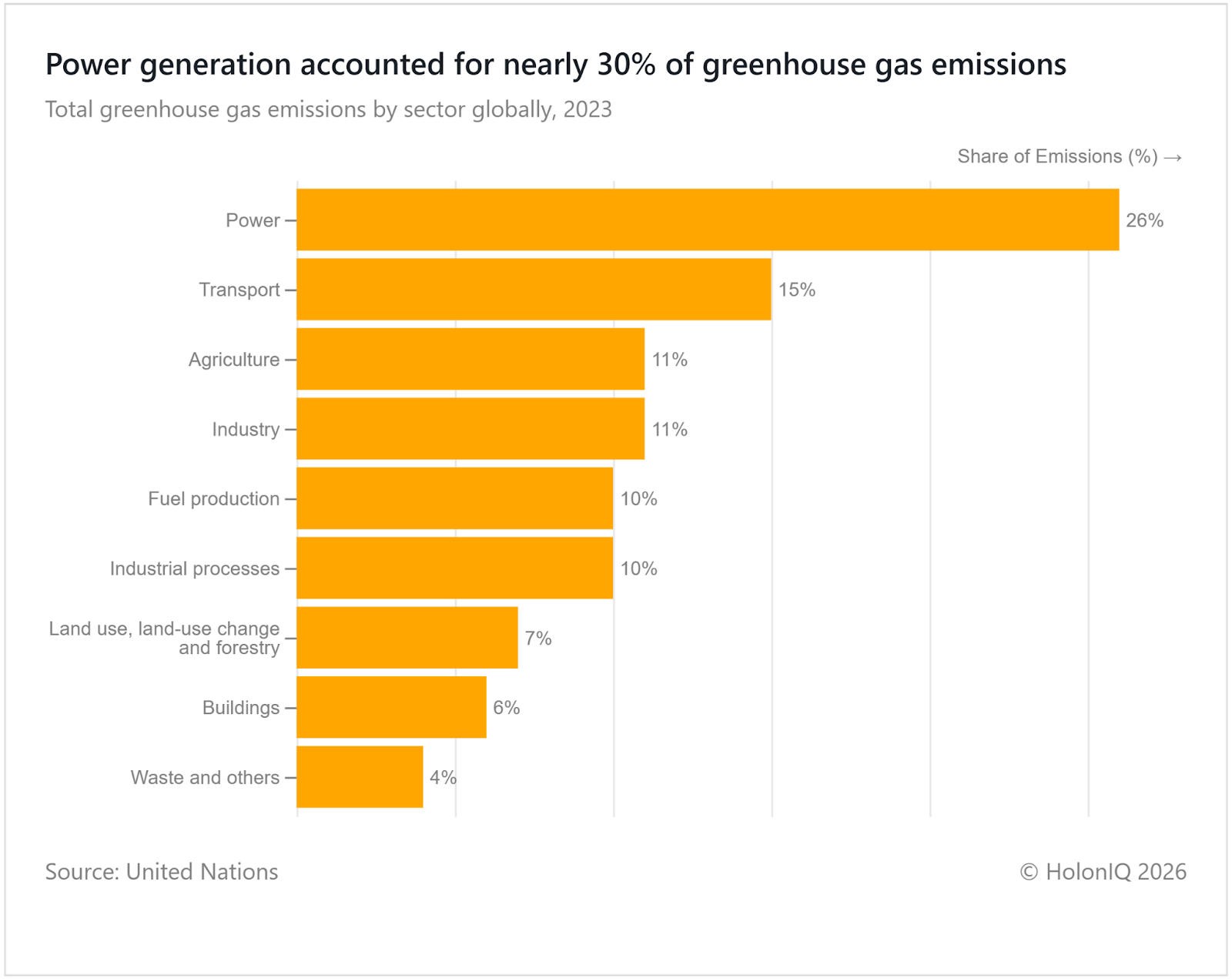
The power sector accounted for the largest share of global greenhouse gas emissions in 2023 at 26%. This reflects continued global dependence on coal, gas, and oil for electricity generation, particularly in fast growing economies with rising energy demand. Many countries still lack sufficient renewable capacity and modern grids to support large-scale clean energy use. As a result, fossil fuel power plants continue to dominate generation. Under the Paris Agreement, governments are accelerating investments in renewables, storage, and grid modernisation to reduce emissions from electricity systems.
🏭 Global growth rate of manufacturing value added hindered by Covid-19
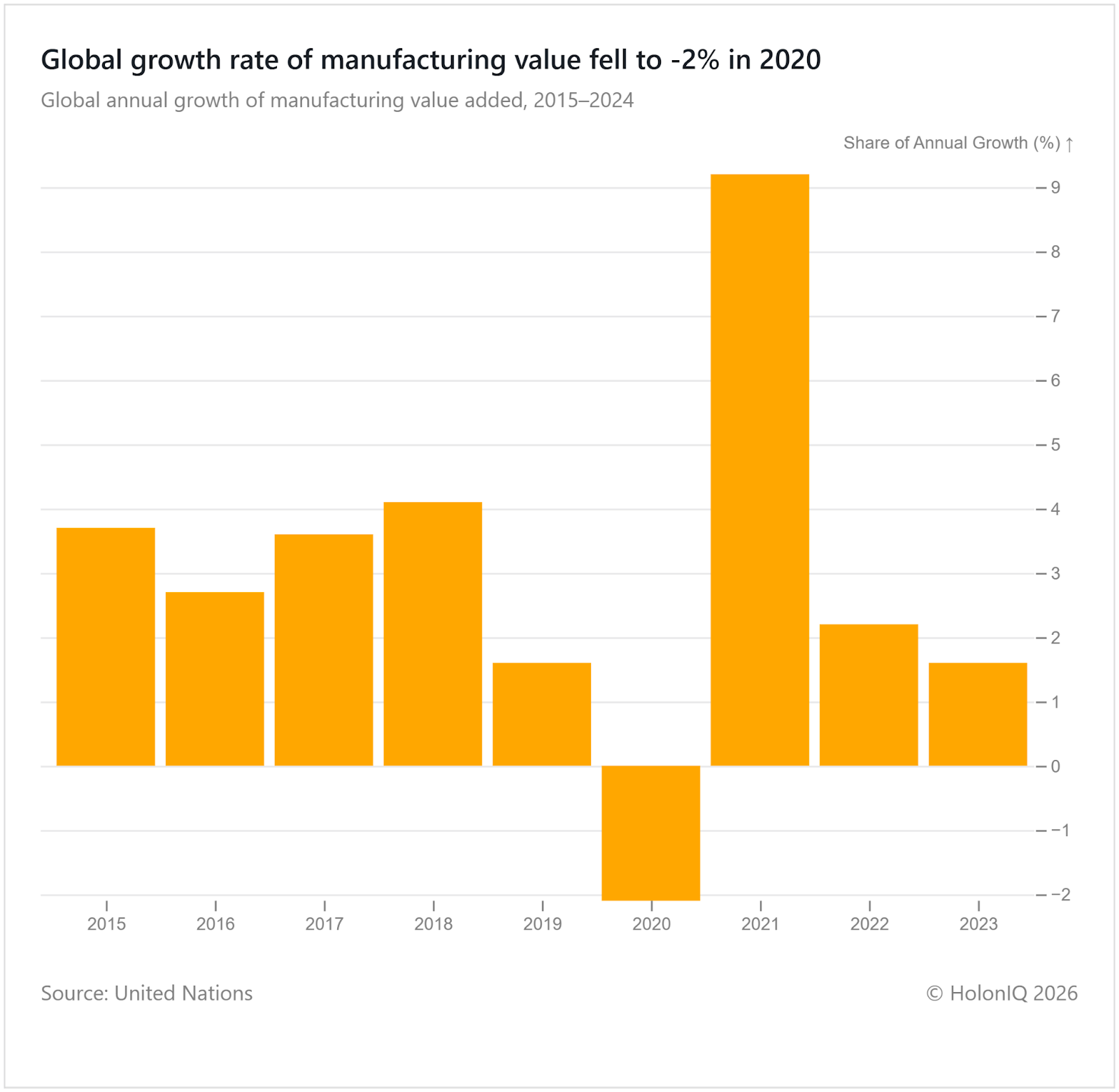
Global manufacturing growth fell sharply to - 2% in 2020. This decline was driven by pandemic related factory shutdowns and reduced consumer demand across major economies. The slowdown exposed the vulnerability of global production systems to external shocks and logistical constraints. Many firms faced delays in sourcing materials and delivering goods. Since then, countries have focused on building more resilient supply chains and expanding digital manufacturing under the UN Industrial Development Organisation’s industrial recovery and resilience framework.
Like getting this newsletter? Request a demo for unlimited access to over one million charts
Thank you for reading. Have a great week ahead!
Have some feedback or want to sponsor this newsletter? Let us know at qs.com.