
🍃 Sweden leads in renewable energy. Switzerland UG enrolments up 10%. AU and NZ topped E-waste recycling.
Chart of the Day #544 looks at Switzerland's undergraduate enrolments, EU renewable energy, and e-waste recycling.
Hello 👋
Delhi inaugurates 75 CM Shri schools equipped with AI tools and digital classrooms. The Japanese government announced a $36B investment to expand US energy and manufacturing capacity. Anthropic signed an MOU with the Government of Rwanda to advance AI applications in health and education.
Today's Topics
🎓 Higher Education. Switzerland's undergraduate enrolments increased steadily
🍃 Green Skills. Sweden uses 3x more renewables than EU average
🏭 Advanced Manufacturing. Australia and New Zealand led e-waste recycling
Thanks for reading!
Not a subscriber yet?
🎓 Switzerland's undergraduate enrolments increased steadily
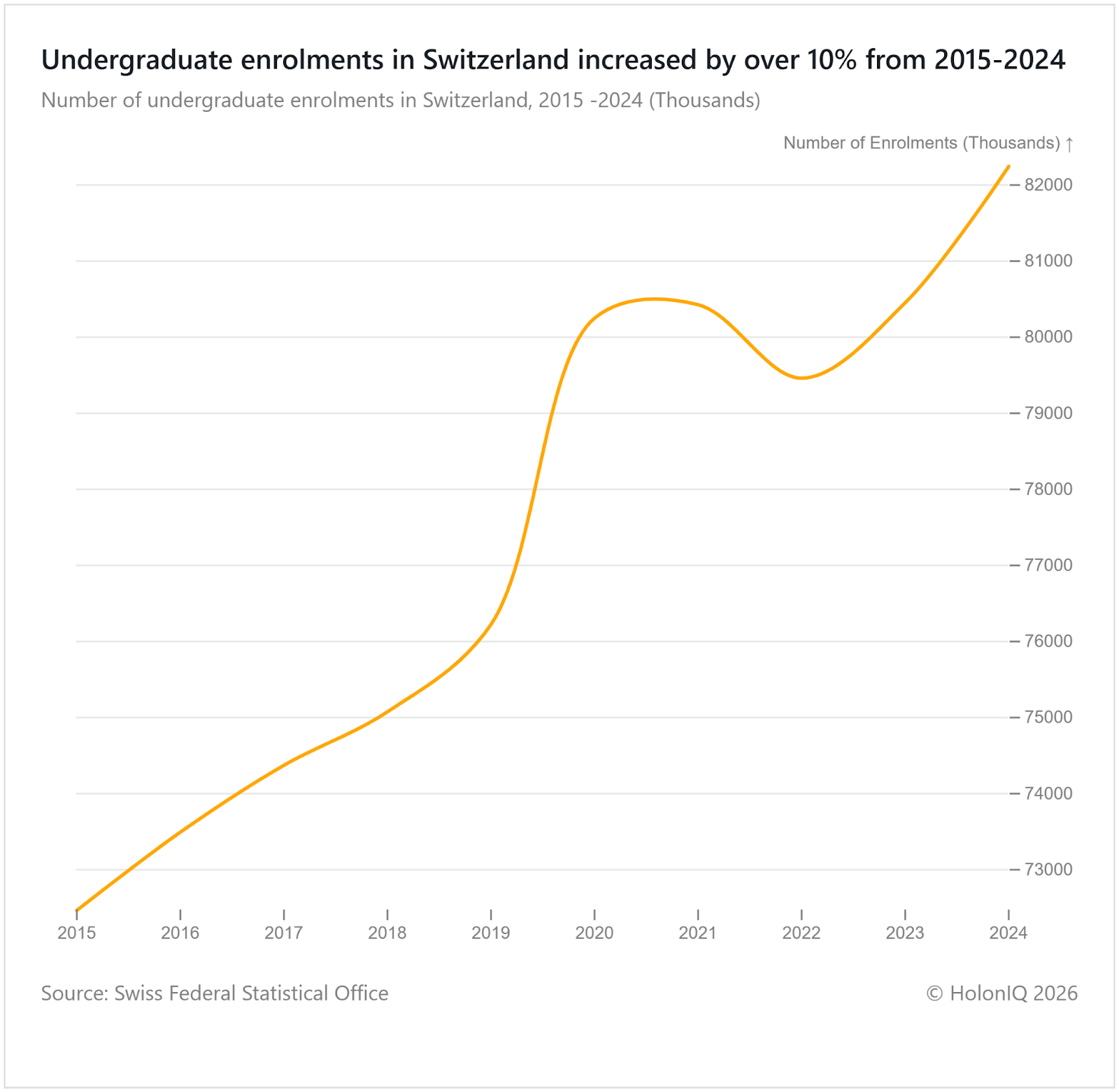
Undergraduate enrolments in Switzerland increased by over 10% from 2015 to 2024, showing a clear long term expansion of the higher education system. Despite steady growth, the rising number of enrolments concentrates pressure on university resources and competition from other European nations. Strong public funding makes university education more accessible for students. Together, these factors have turned Swiss universities into stable engines of skills and innovation.
🍃 Sweden uses 3x more renewables than EU average
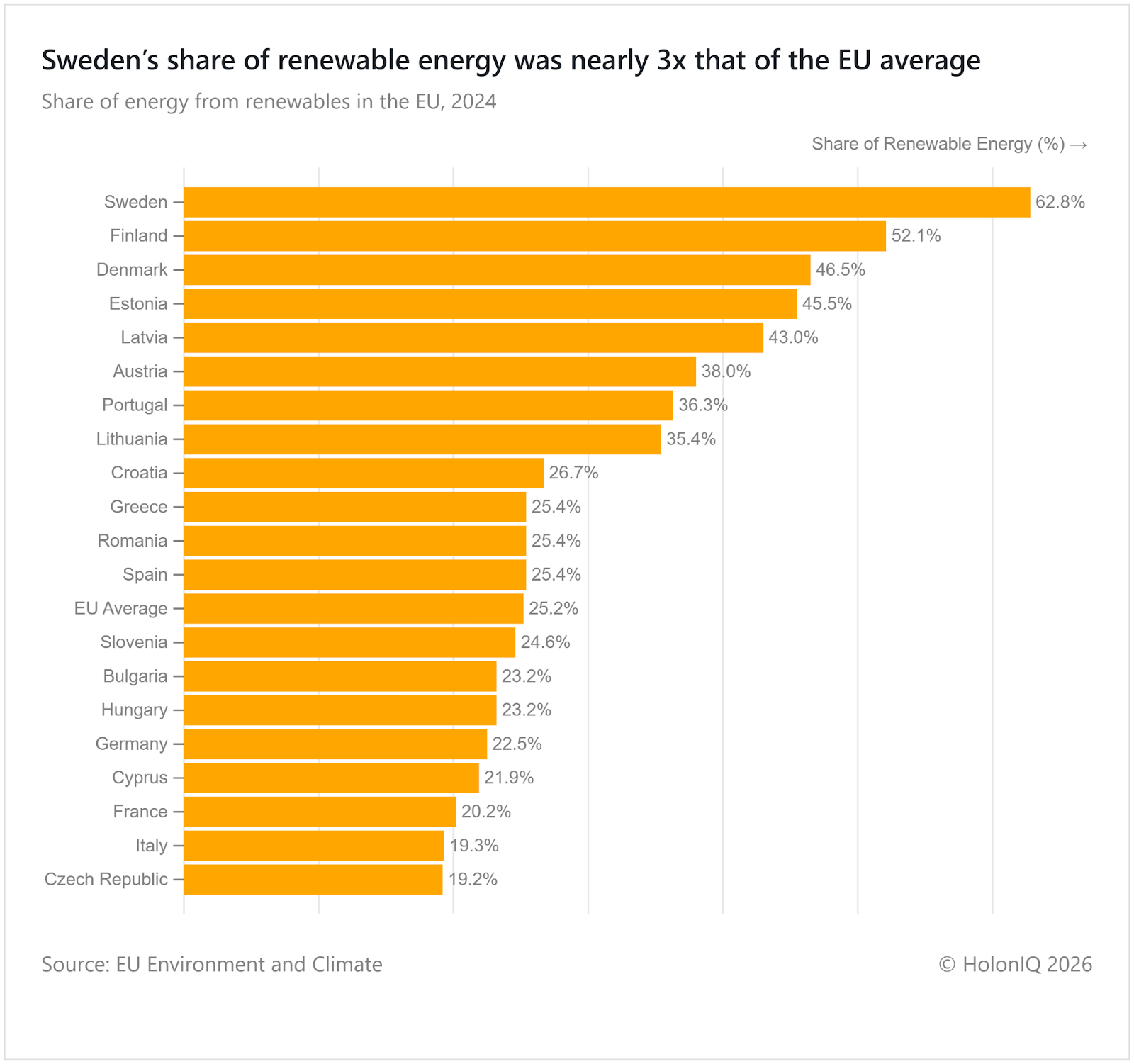
Sweden’s renewable share in 2024 was nearly three times that of the EU average, which reflects decades of investment in hydropower, biomass and wind energy. Strong carbon taxes and early phaseouts of fossil fuels pushed Swedish industries and households toward clean energy. Across the EU, environmental awareness is driven by strict climate laws for sustainability and long-term targets under the European Green Deal. These policies link energy security, economic growth and climate responsibility into one shared strategy.
🏭 Australia and New Zealand led e-waste recycling
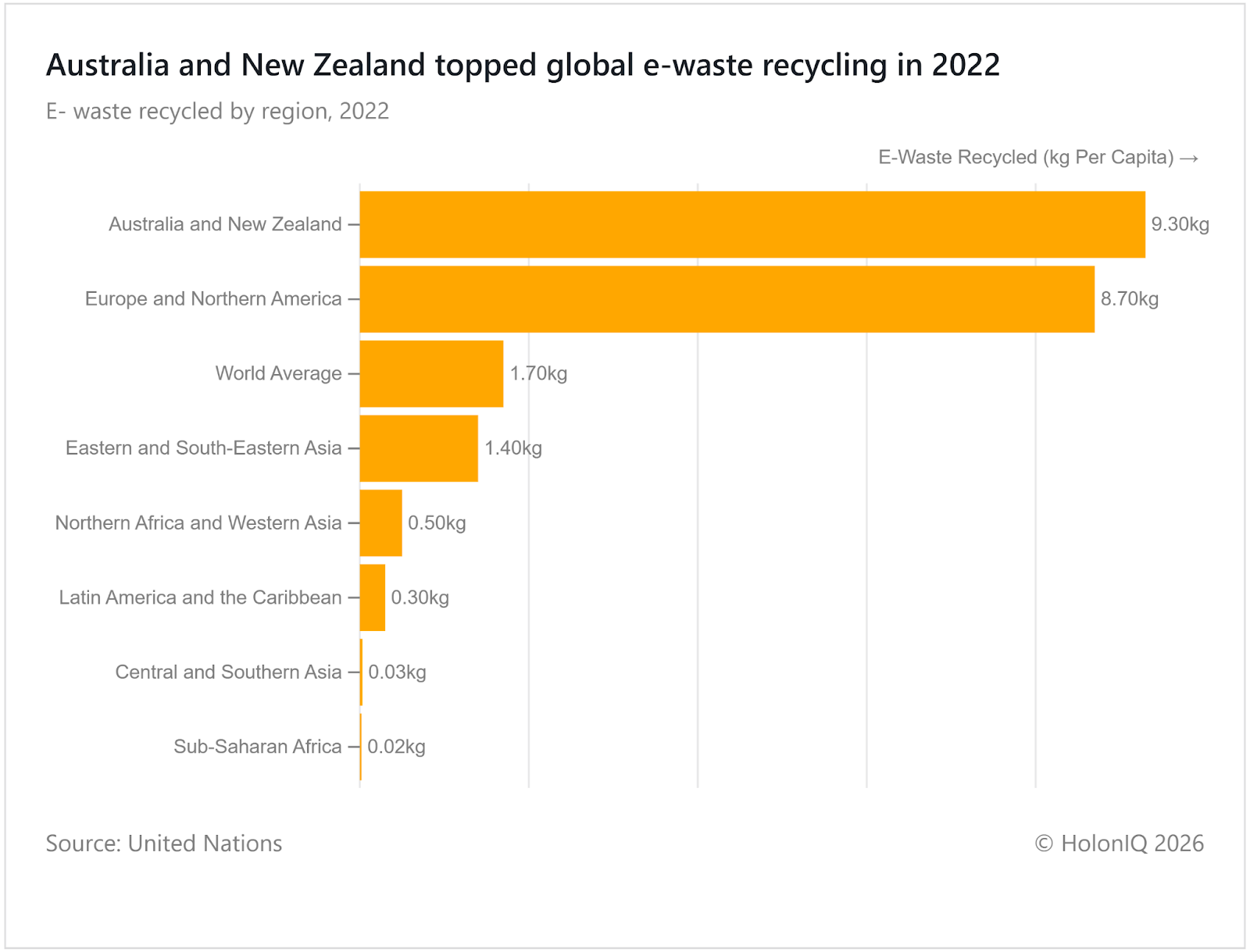
In 2022, Australia and New Zealand recorded the highest e-waste recycling rate at nearly 10kg per person and also generated the largest amount of e-waste globally. This reflects strong national recycling systems and well funded waste management infrastructure. Strict environmental regulations require producers and retailers to support electronic waste collection. Recycling e-waste is difficult because electronic devices contain complex mixtures of plastics, metals and hazardous materials that are costly and technically challenging to separate and process safely.
Like getting this newsletter? Request a demo for unlimited access to over one million charts
Thank you for reading. Have a great week ahead!
Have some feedback or want to sponsor this newsletter? Let us know at qs.com.