
👶 US Early Literacy Skills. MRI Scans Cost the Highest in NZ. Beijing Led AI Infrastructure Investment.
Chart of the Day #491 Looks at Early Literacy Skills in the US, MRI Scan Costs, and Chinese AI Infrastructure Investment by Region.
Marhaba 👋
Climate education campaign for the youth hosted in Abuja, Nigeria. Advanced manufacturing, agri-food, mining and construction companies in Ontario received $50 million in government funding. Nagaland has signed a memorandum of understanding to strengthen the state’s healthcare and education sectors. Mongolia launches a three-year artificial intelligence and big data skills development program in collaboration with Oracle.
Dartmouth partners with Anthropic and AWS to deploy AI tool Claude campus-wide for learning and research. Qatar Foundation and ILO Partner on Workforce Development. Amazon expands AI initiatives, including plans to deliver AI literacy to 4 million students by 2030.
Today's Topics
👶 Early Childhood Education. US early literacy skills recover to pre-pandemic levels
⚕️ Health Skills. MRI scans cost the highest in New Zealand
🏭 Advanced Manufacturing. Beijing, Shanghai, and Shenzhen led in AI infrastructure investment
Thanks for reading!
Not a subscriber yet?
👶 US Early Literacy Skills Recover to Pre-Pandemic Levels
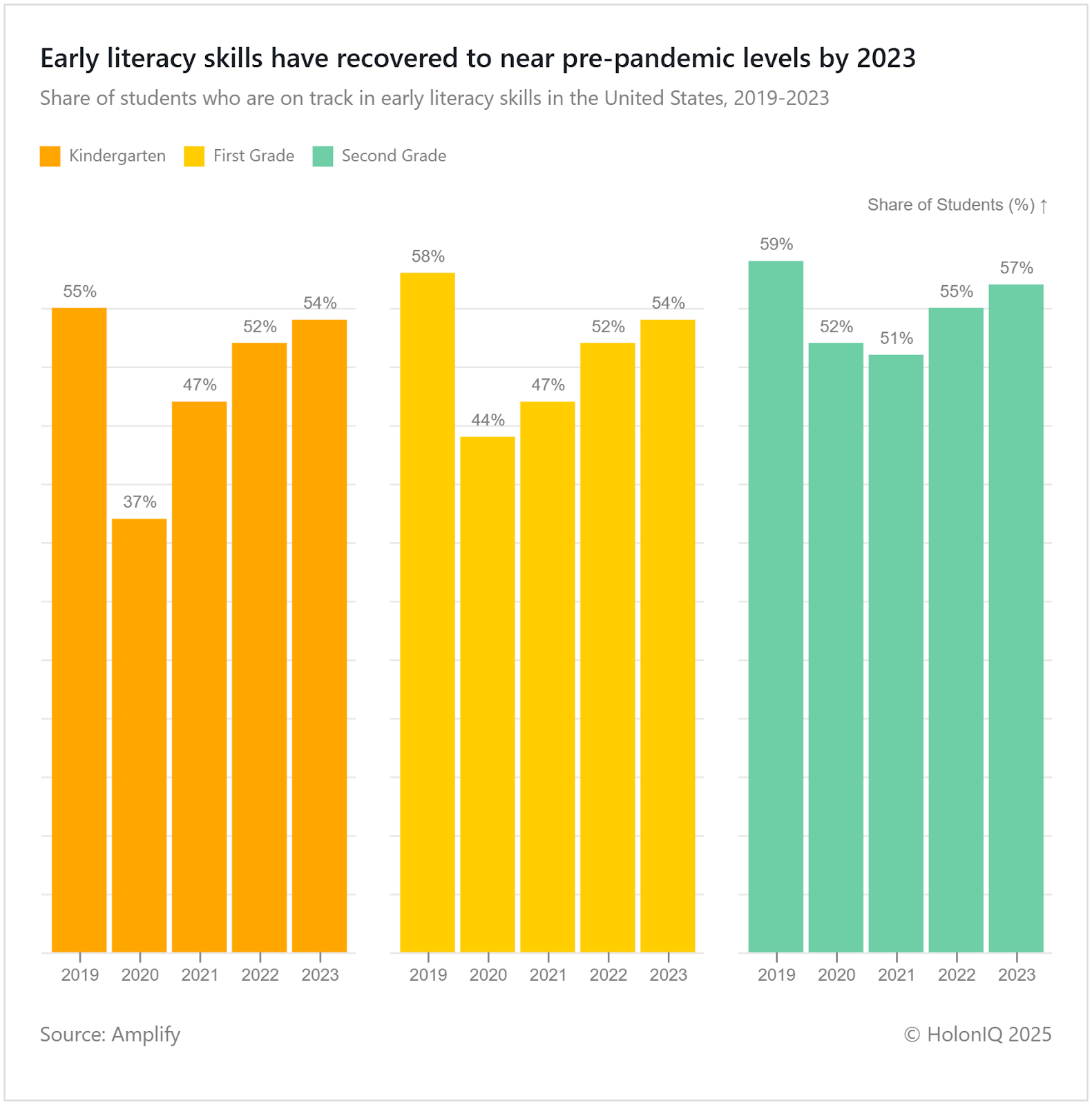
Early literacy recovery follows increasing ECE enrollment, with state preschool participation reaching a record 1.75M children. Yet access gaps persist, not all three-year-olds enrol in ECE, and child-care costs remain a major barrier. To address affordability and quality, federal programs such as the Child Care and Development Block Grant (CCDBG) and Preschool Development Grant - Birth through Five (PDG B-5) continue expanding support for low-income families and strengthening early-learning infrastructure nationwide.
⚕️ MRI Scans Cost the Highest in New Zealand
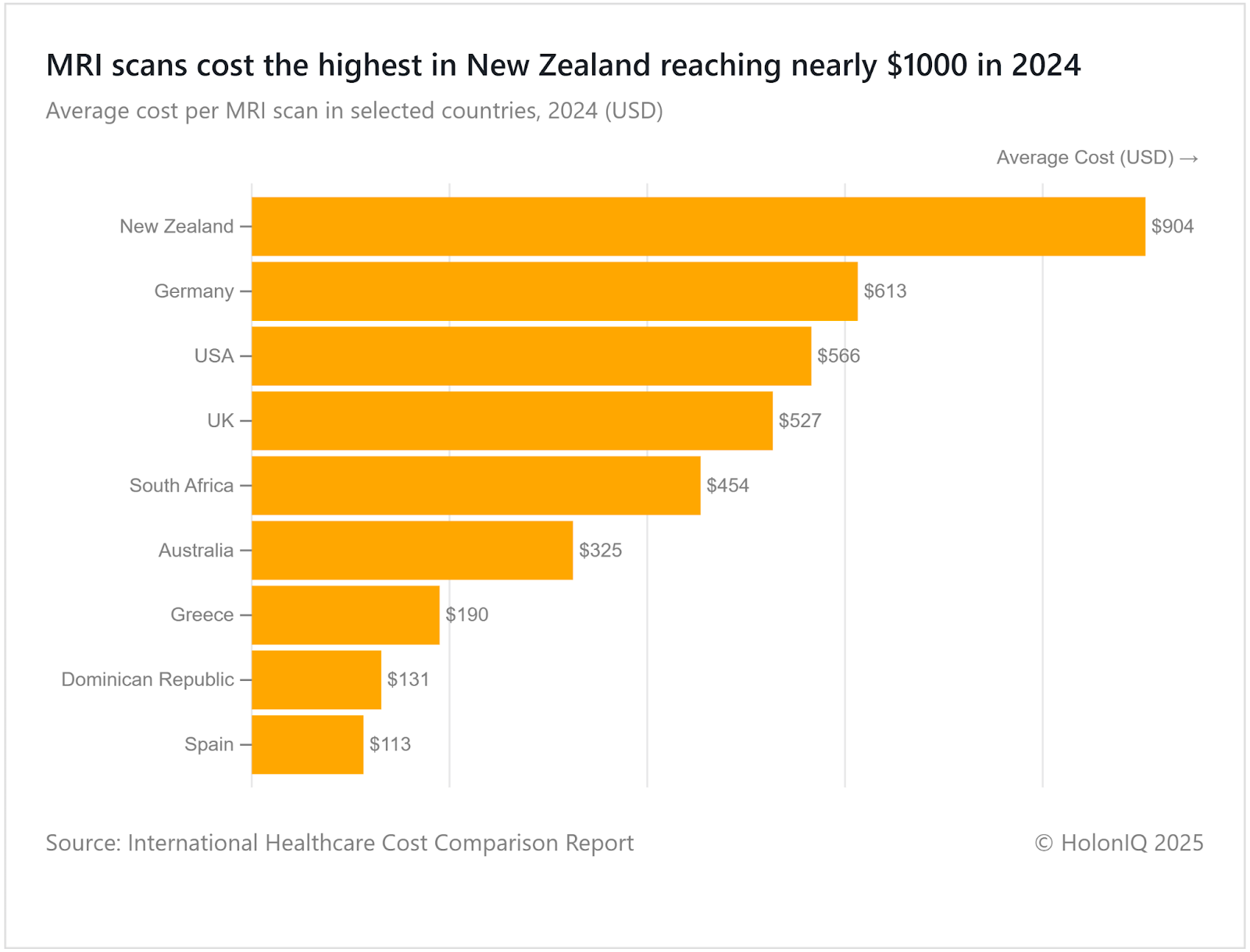
New Zealand’s MRI scan costs nearly $1000, the highest among comparable countries, highlighting rising healthcare prices driven by workforce shortages, ageing infrastructure, and growing demand for diagnostic services. Broader healthcare costs have also increased as hospitals face capacity pressures and reliance on outsourced services. To address this, the government is expanding health-workforce recruitment, investing in system reforms under Te Whatu Ora, and boosting funding for diagnostics to improve efficiency and reduce long-term cost escalation.
🏭 Beijing Led China’s AI Infrastructure Investment
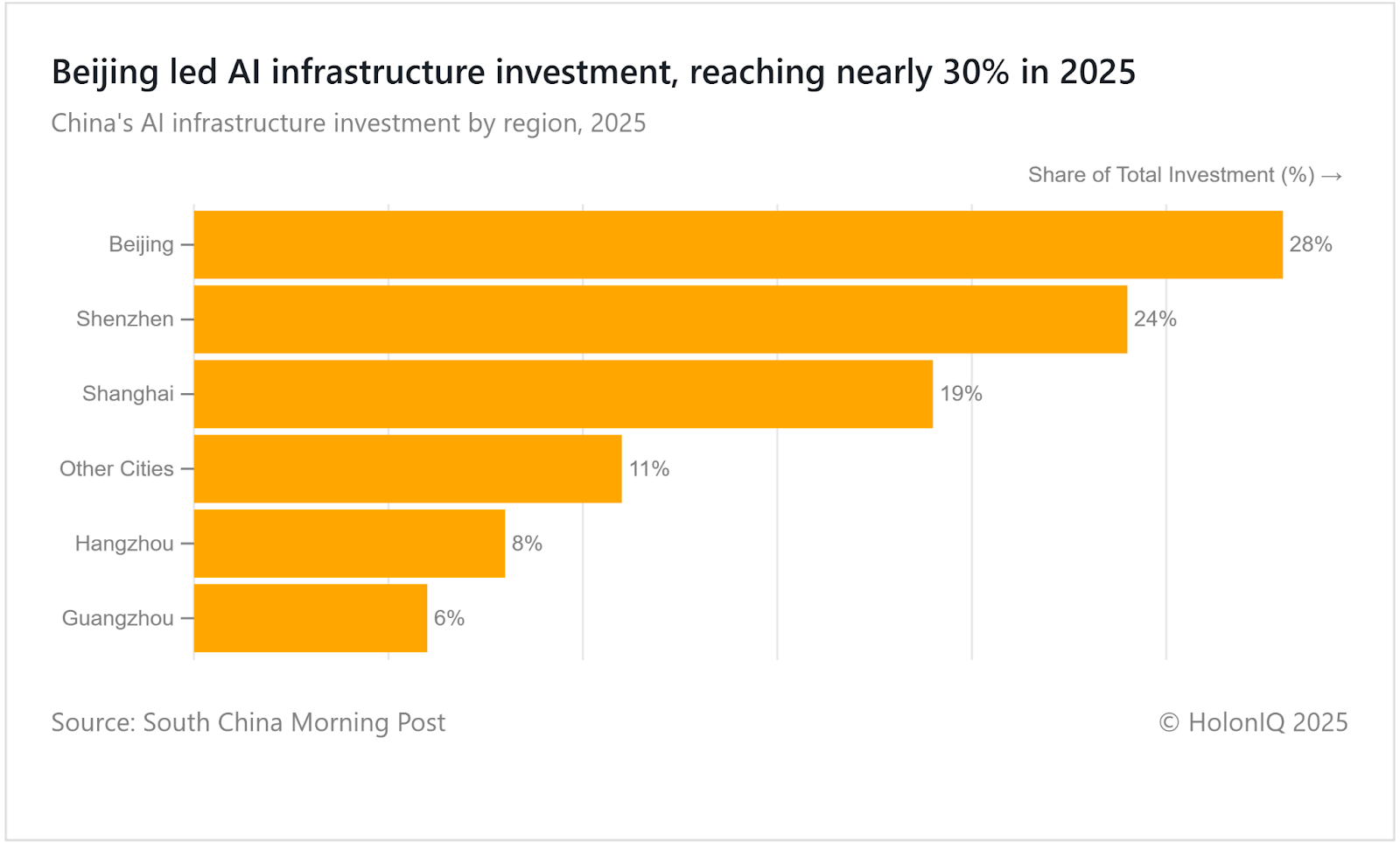
China’s 2025 AI infrastructure push is concentrated in Beijing (28%), Shenzhen (24%), and Shanghai (19%), driven by major national initiatives to expand compute capacity, semiconductor self-sufficiency, and high-performance server strength. These hubs are receiving substantial investment in advanced chip fabrication, supercomputer clusters, and large-model training facilities, supported by programs like the National Integrated Circuits Fund, municipal AI development plans, and partnerships with leading firms such as Huawei, Alibaba Cloud, and Tencent. As China aims to position itself as a leader in AI technology, it is racing towards having leading infrastructure capacity to match rising demands.
Like getting this newsletter? Request a demo for unlimited access to over one million charts
Thank you for reading. Have a great week ahead!
Have some feedback or want to sponsor this newsletter? Let us know at qs.com.