
🍃 Amphibians are most threatened. Indian pre-primary enrolment rises. Defense electronics market expands.
Chart of the Day #594 looks at pre-primary education rates, threatened species by extinction and the defence electronics market.
Hello 👋
Canada government proposes $6B to hire 100,000 new skilled trades workers. University of Wisconsin–Madison is launching its first new academic division in 40+ years: a College of Computing and AI. Uganda to establish public nursery schools in underserved areas.
Today's Topics
👶 Preschool. India’s pre-primary enrolment rate stood at around 60%
🍃 Green Skills. Amphibians face a high risk of extinction
🏭 Advanced Manufacturing. Defense electronics market projected to rise over $60B
Thanks for reading!
Not a subscriber yet?
👶 India’s pre-primary enrolment rate stood at around 60%
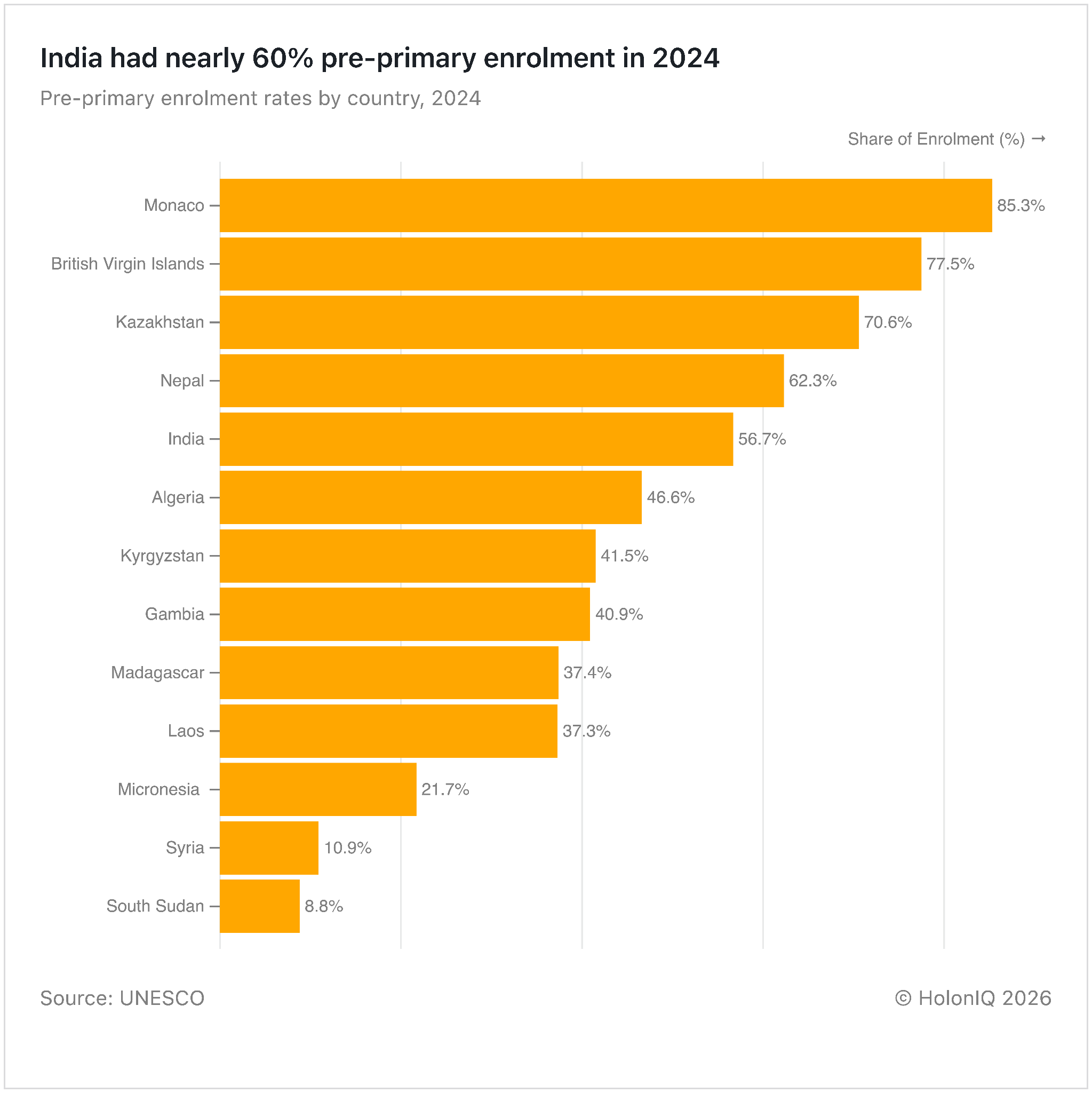
Pre-primary enrolment in India nears 60% among listed countries. This rate is notable given India’s large population, making the expansion of early education more complex. The countries above 40% reflect increased focus on early childhood development and school readiness. Scaling access across diverse regions highlights progress in education inclusion. The National Education Policy implemented by the Government of India prioritises universal early childhood care and education.
🍃 Amphibians face a high risk of extinction
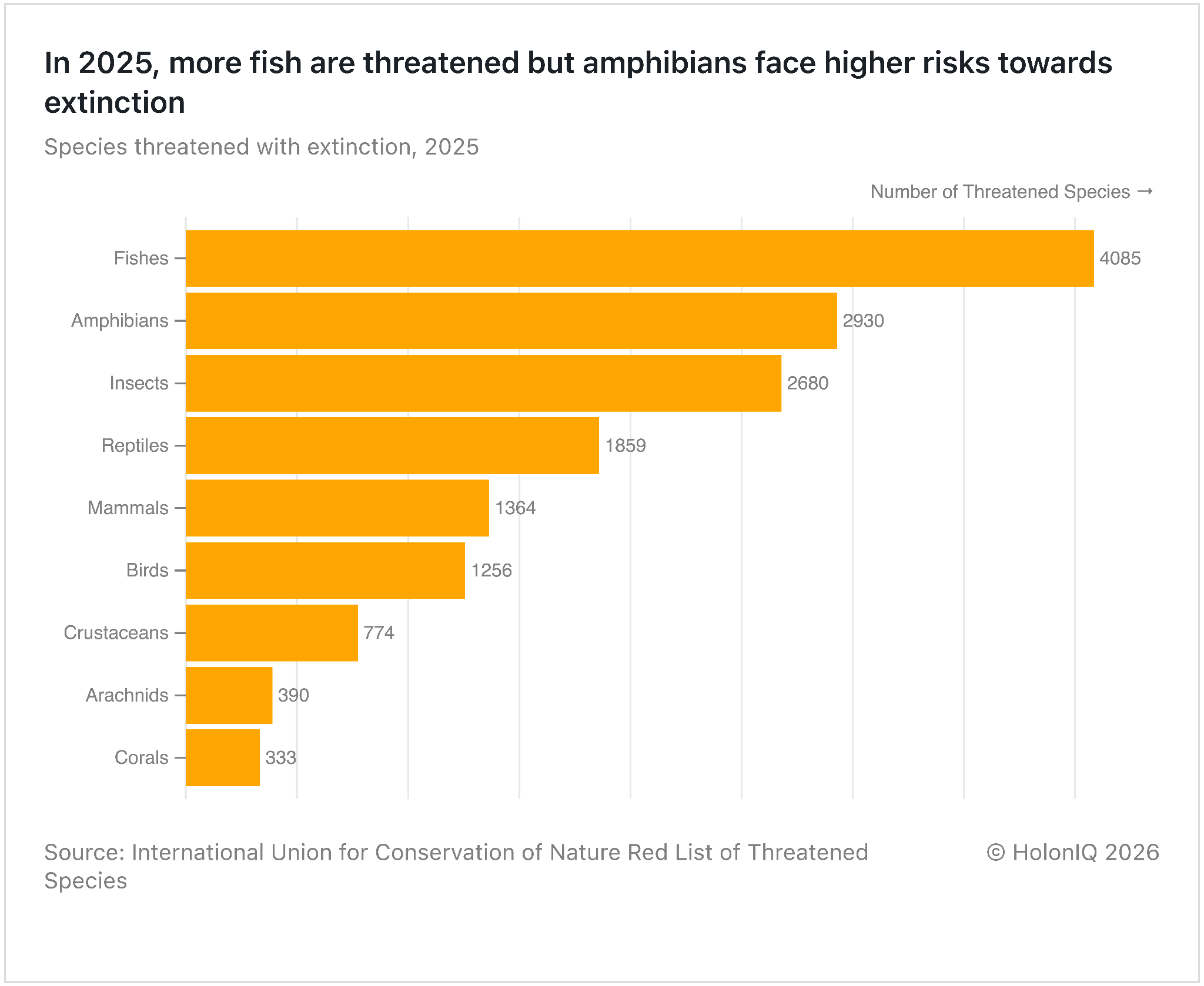
Amphibians rank among the most threatened groups globally in 2025, with nearly 3K species at risk despite fewer total species than fish. Their sensitivity to environmental changes, including habitat loss, pollution, and climate shifts, makes them highly vulnerable. Amphibians rely on both land and water ecosystems, increasing exposure to multiple threats such as disease and temperature changes. Conservation funding has expanded to protect habitats and biodiversity. The Global Biodiversity Framework, supported by the United Nations, directs funding toward species protection and ecosystem restoration.
🏭 Defense electronics market projected to rise over $60B
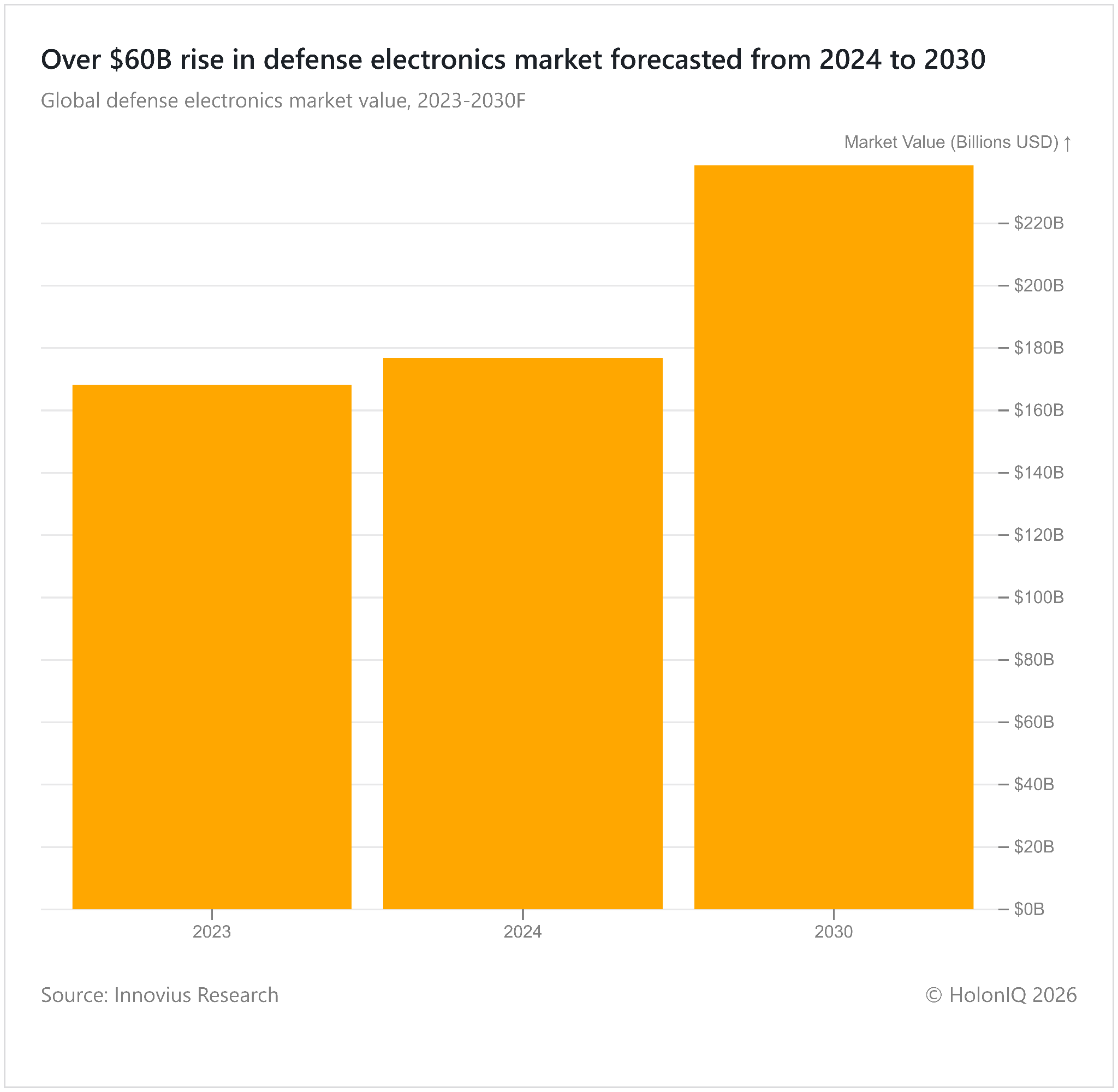
The global defense electronics market is set to exceed $240B by 2030, driven by AI integration and autonomous systems. This innovation shift toward software-defined hardware alongside AI-assisted systems is fueling job growth in machine learning and semiconductor design. Increased funding extends beyond the US, with global military spending hitting $2.7T. Nations now prioritise technological sovereignty, attracting record private capital to defense startups developing cyber-resilient electronics.
Like getting this newsletter? Request a demo for unlimited access to over one million charts
Thank you for reading. Have a great week ahead!
Have some feedback or want to sponsor this newsletter? Let us know at qs.com.