
🍃 Nepal and Myanmar lead South Asian agriculture share. Ransomware remains top cyber risk. Childcare in Canada.
Chart of the Day #616 looks at childcare arrangements in Canada, South Asian agriculture as a share of GDP and cybersecurity risks.
Hello 👋
I&M Bank and Google partner to train small businesses in AI and digital skills. Oklahoma schools prepare to implement new education laws affecting curriculum, funding, and student policies. Nine Australian universities have formed a new alliance, the 2050 Alliance, with a clear political mission.
Today's Topics
👶 Preschool. Licensed/regulated care was Canada's second most common childcare program
🍃 Green Skills. South Asian agricultural output led by Nepal and Myanmar
🤖 Artificial Intelligence. Ransomware attacks pose the most significant cyber risk
Thanks for reading!
Not a subscriber yet?
👶 Licensed/regulated care was Canada's second most common childcare program
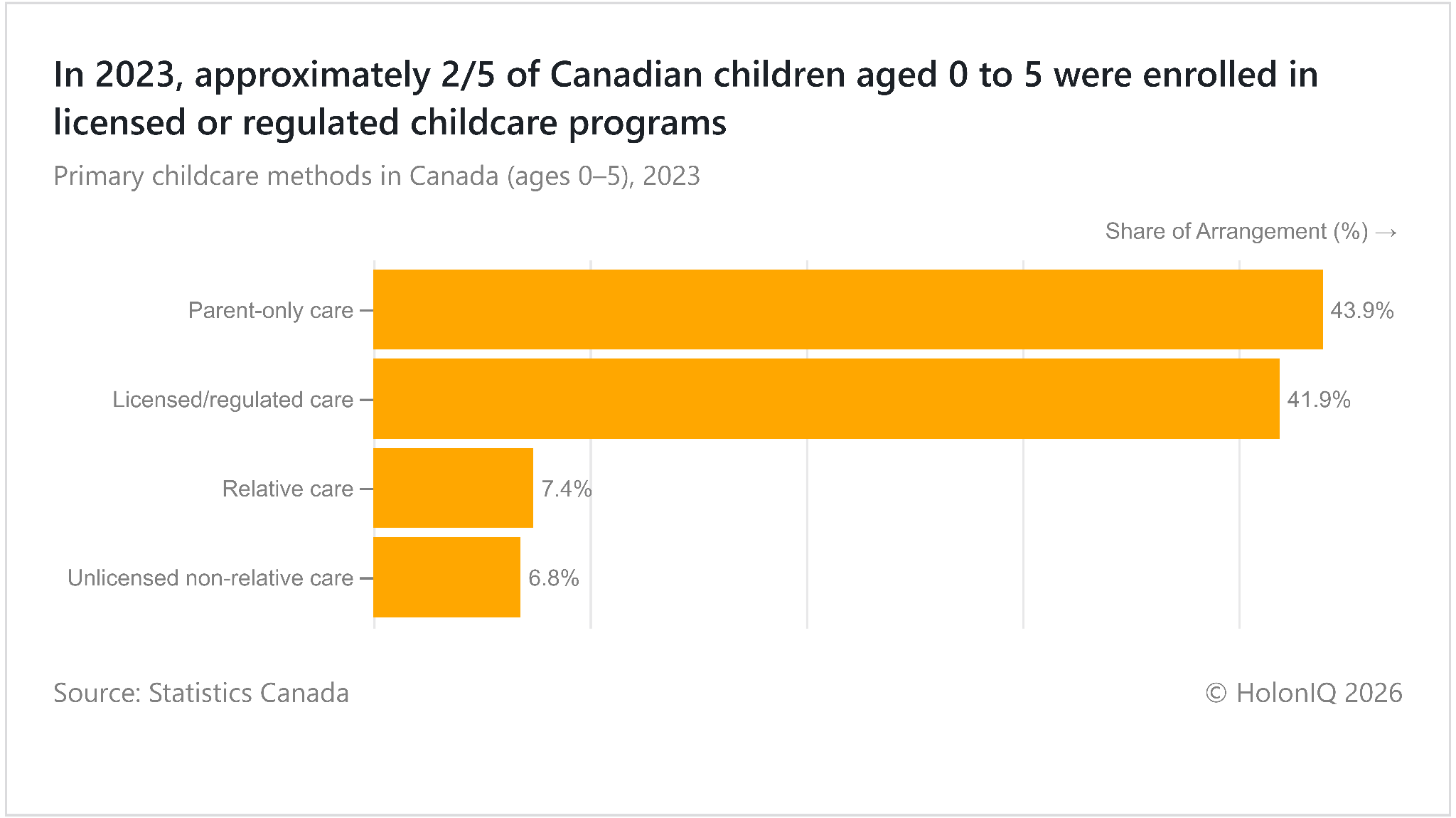
Parent-only care accounted for the highest form of childcare arrangements in Canada in 2023, followed by children in licensed or regulated childcare services. The high share of regulated care reflects growing workforce participation among parents and rising demand for structured early learning environments. Expanding dual income households and labour shortages have increased reliance on formal childcare systems that support stable employment and child development outcomes. Canada’s Early Learning and Child Care Plan, led by the federal government, aims to expand affordable regulated childcare spaces nationwide.
🍃 South Asian agricultural output led by Nepal and Myanmar
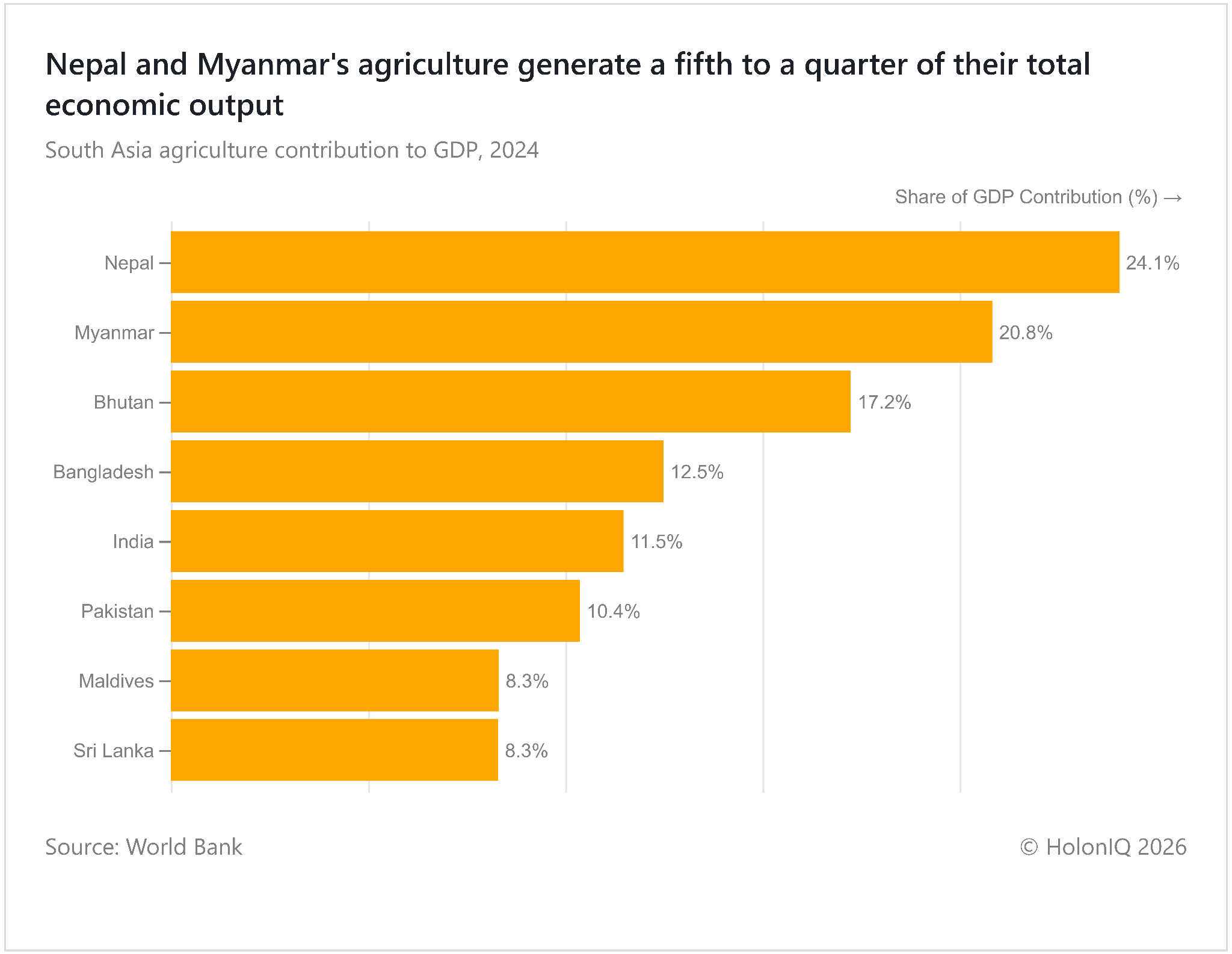
Agriculture generated 24% of GDP in Nepal and 20% in Myanmar in 2024, the highest shares across South Asia and well above larger industrial economies such as India and Pakistan. The dependence reflects lower industrial diversification, large rural workforces, and limited expansion in high value manufacturing and services. Farming remains central to employment, exports, and household incomes, particularly in rice cultivation and subsistence agriculture. Nepal’s Agriculture Development Strategy, implemented by the Ministry of Agriculture and Livestock Development, aims to modernize production and improve rural productivity.
🤖 Ransomware attacks pose the most significant cyber risk
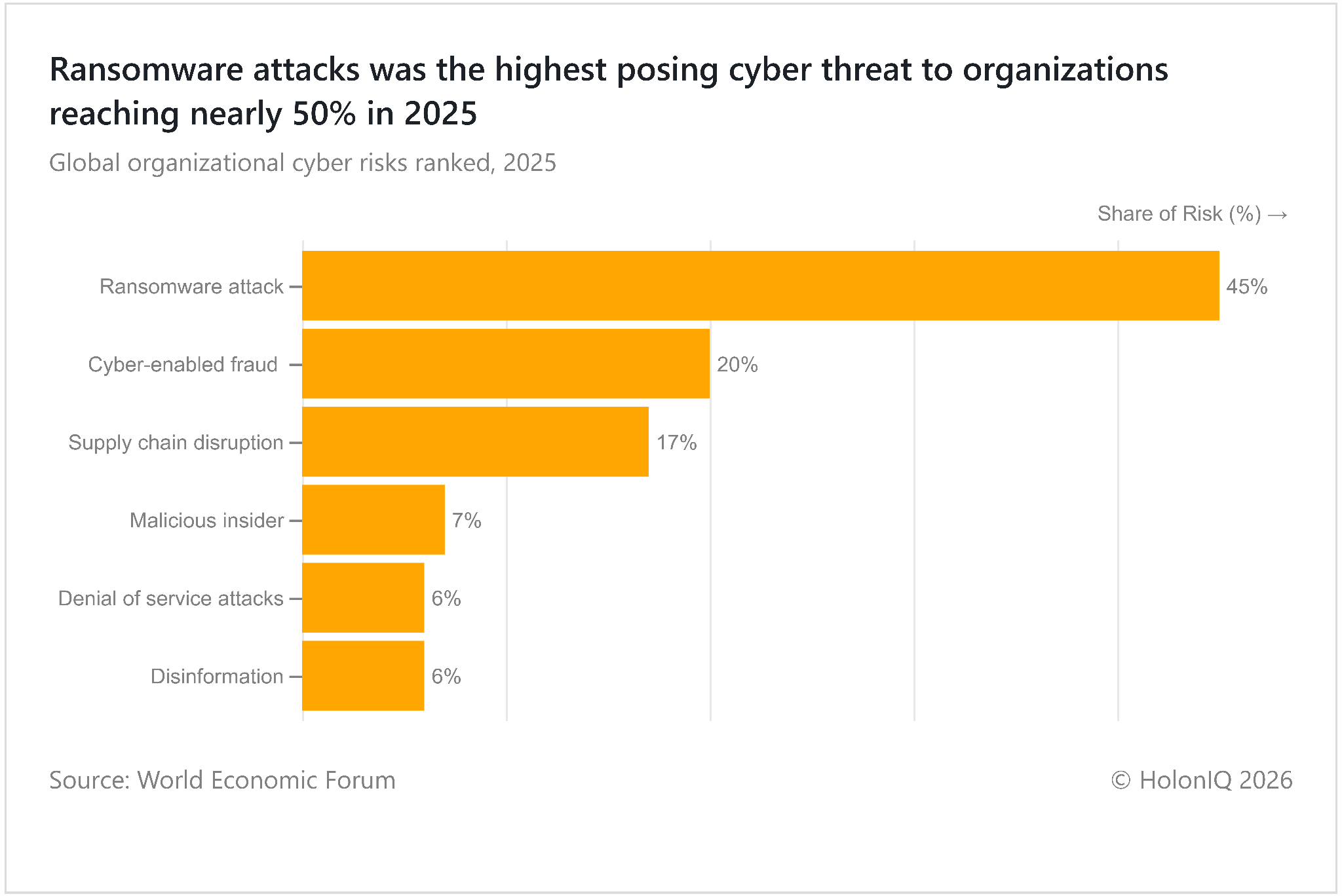
Ransomware attacks were identified as the leading global cyber risk in 2025 at 45%, while cyber enabled fraud accounted for a further 20% of organisational concerns. The dominance of these threats reflects growing digital dependence and the expansion of cloud based business operations and AI systems. Cyberattacks increasingly disrupt AI training infrastructure, data integrity, and supply chains, creating operational and financial risks for technology intensive industries. The EU Cyber Resilience Act, implemented by the European Union, aims to strengthen cybersecurity standards across connected digital products and services.
Like getting this newsletter? Request a demo for unlimited access to over one million charts
Thank you for reading. Have a great week ahead!
Have some feedback or want to sponsor this newsletter? Let us know at qs.com.